Science and environment
The age of fossil fuels is ending, and the world is entering the era of solar power. What matters now is how…
Fifteen years after kakaruwai were brought to Dunedin’s Orokonui Ecosanctuary, a new study shows the tiny…
In the world of academic publishing, there has been no more enjoyable read this year than a recent paper out…
For several years, kōtare, our native kingfishers, have been turning up at West Auckland rehab centre BirdCare…
On December 10, 2024, a juvenile bottlenose dolphin was reported tangled in fishing line near Riverhead, in…
Science and environment
Something strange is happening inside the Sun. In the last 40 years, the pattern of tiny sound waves produced…
Magazine
Trending
Flora Feltham wrote an early version of our cover story when she was living on Wellington’s predator-free reserve Mana Island with her husband, then a DOC ranger. The couple spent two years on the island, often alone, spanning Feltham’s first pregnancy and 10 months of their baby’s life. An incredible honour, she says, but it […]...
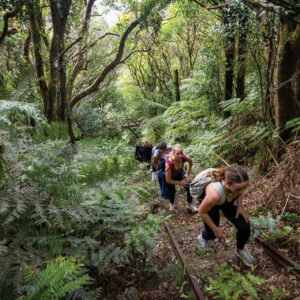
A diabolical gamemaker scatters 85 flags across the Pisa Range. He assigns each flag a certain number of points. Some are buried in brambles, others hidden in gorges. Some, fiendishly, will lead you away from fresh water. You have 24 hours, and a map. Go....
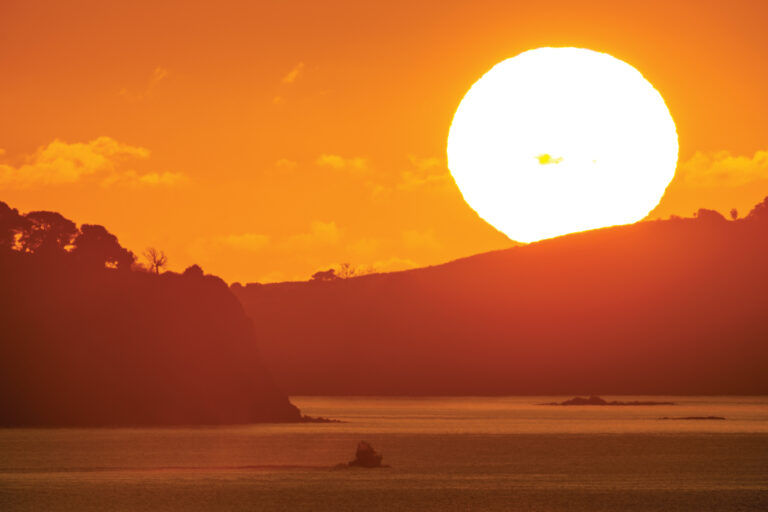
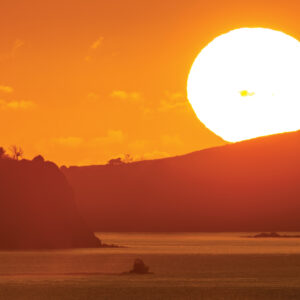
The age of fossil fuels is ending, and the world is entering the era of solar power. What matters now is how fast we make the shift....
Enough about us. Let’s talk about you. We want to get to know our readers better—what spins your wheels and grinds your gears....
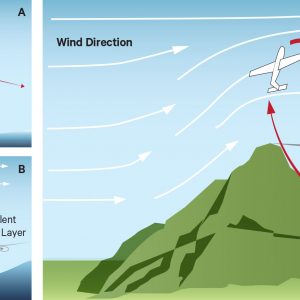
Flying robots are taking to the skies in greater numbers—performing tasks such as tracking critically endangered Māui dolphins and collecting data on extreme weather events. But they can’t fly well in windy conditions, and don’t have the battery capacity to power long flights. Birds, on the other hand, can wheel and soar in even the […]...
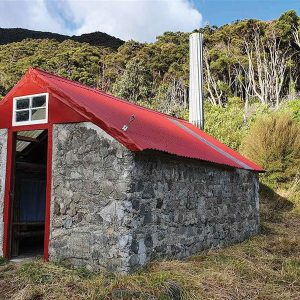
This four-bunk stone hut in the Ruahine Forest Park is unique and full of stories....
Science and environment
“It won’t sort itself out,” warns energy expert Nathan Surendran....
Archive
Science and environment
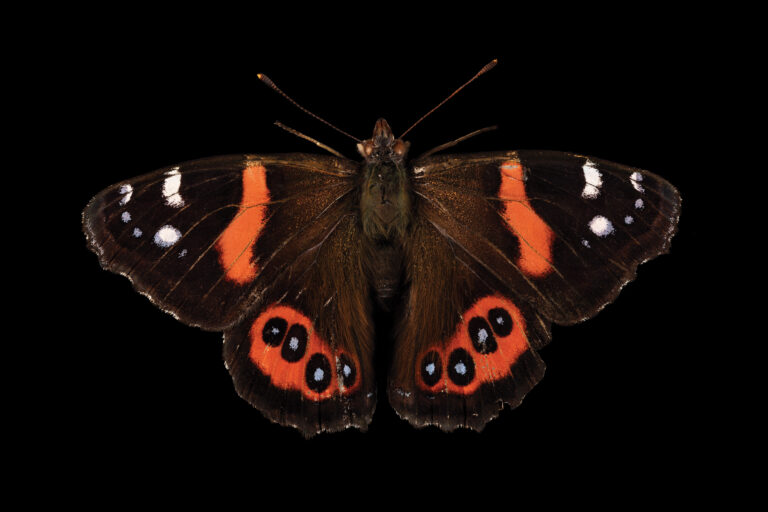
Decades ago, red admiral butterflies all but abandoned Auckland city. Now, united by two retirees...
Science and environment
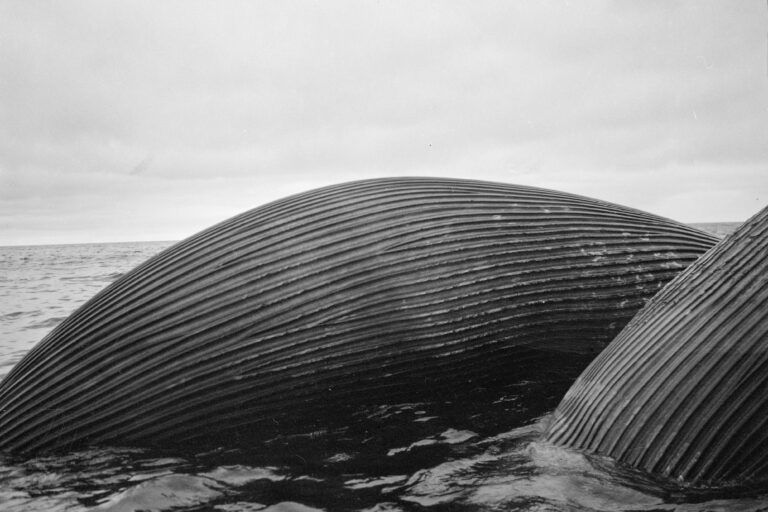
A century ago, in a human frenzy for oil, hundreds of thousands of blue whales...
Science and environment
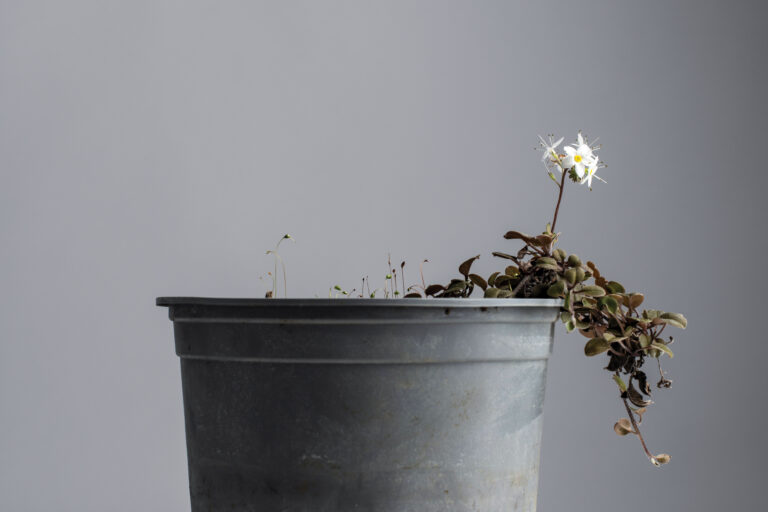
The exquisitely rare native flower that refuses to disappear....
Science and environment
When life’s gone off the rails and the road home is hard, it helps to...
Science and environment
The fight to eradicate the yellow-legged hornet involves poison-puffing spears, spacesuits, Christmas tinsel, hectic chases...
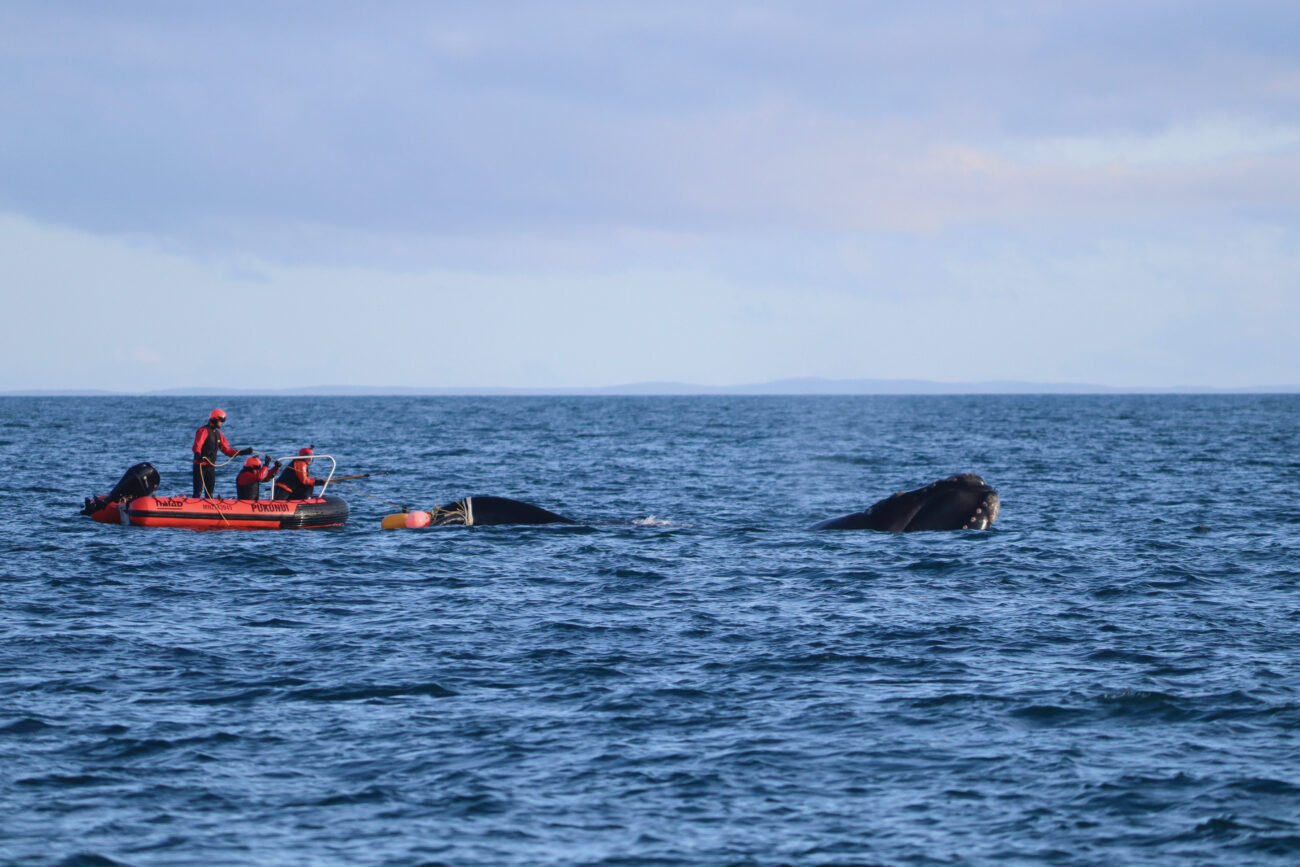
On December 10, 2024, a juvenile bottlenose dolphin was reported tangled in fishing line near Riverhead, in the upper reaches of the Waitematā Harbour. The dolphin couldn’t flex its tail properly, or dive, or chase fish. Its pod headed elsewhere. One larger dolphin stayed behind, and for the next month it stuck close, spending almost […]...
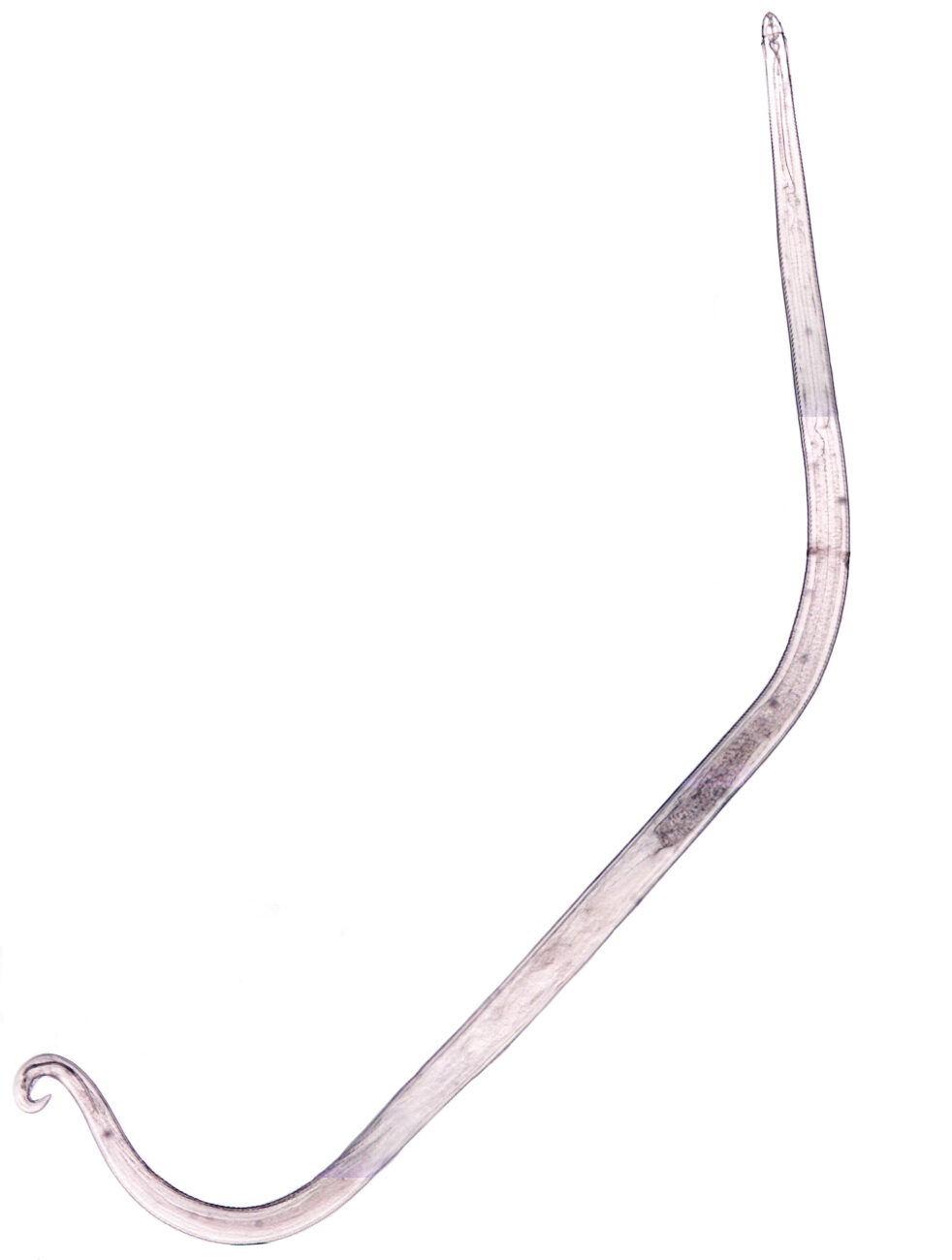
For several years, kōtare, our native kingfishers, have been turning up at West Auckland rehab centre BirdCare Aotearoa with a mysterious affliction: mouths laced with tiny, almost translucent worms. “It sort of looks like strings of saliva sticking between the roof and the bottom of the mouth,” says Catriona Robertson, a hospital manager at BirdCare. […]...
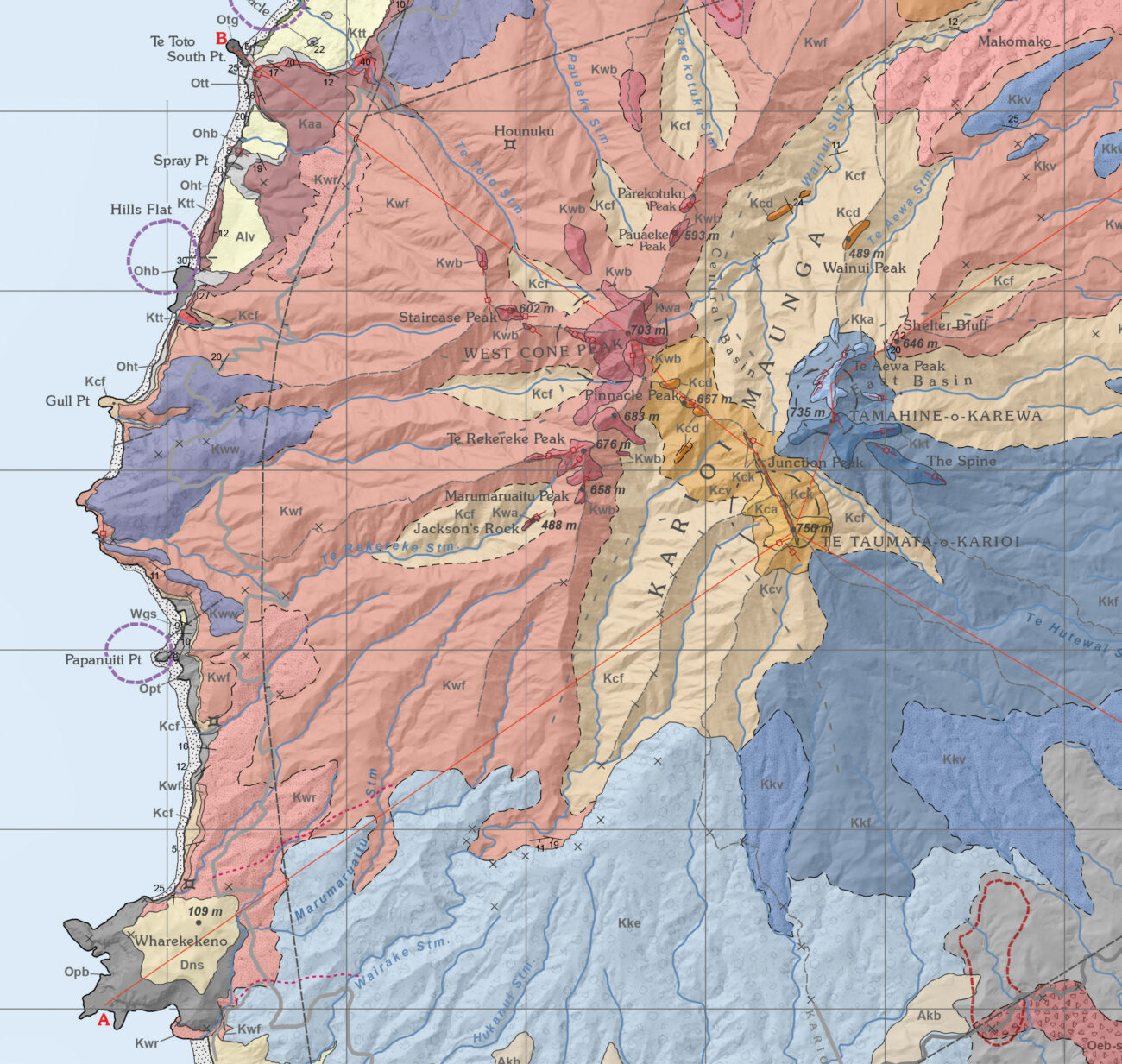
In the world of academic publishing, there has been no more enjoyable read this year than a recent paper out of Sweden titled ‘Geologists on the silver screen—the sequel’. Published by Geology Today, the analysis covers 141 films released between 1919 and 2023 and took a group of geologists more than 10 years to compile. It […]...
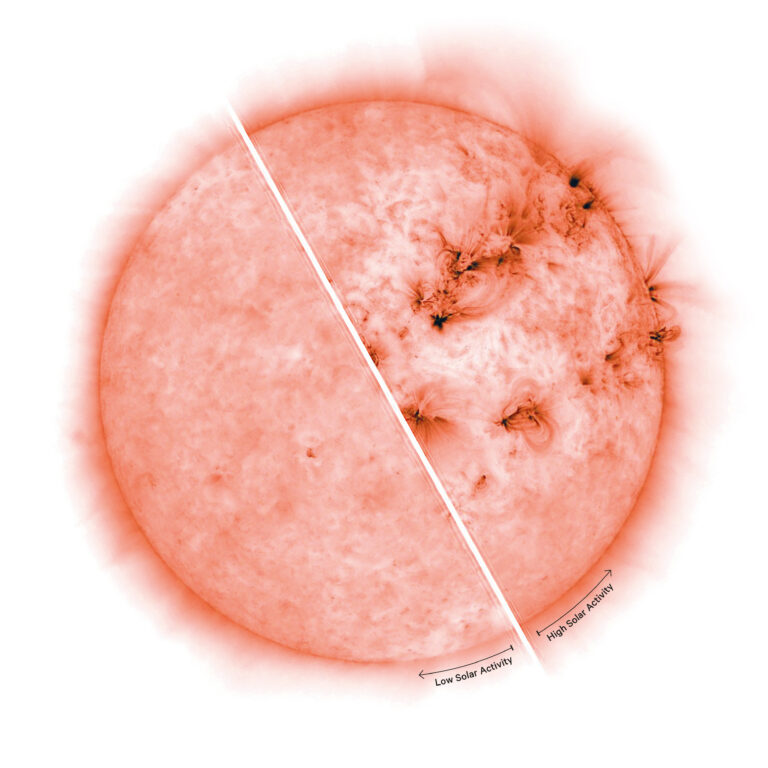
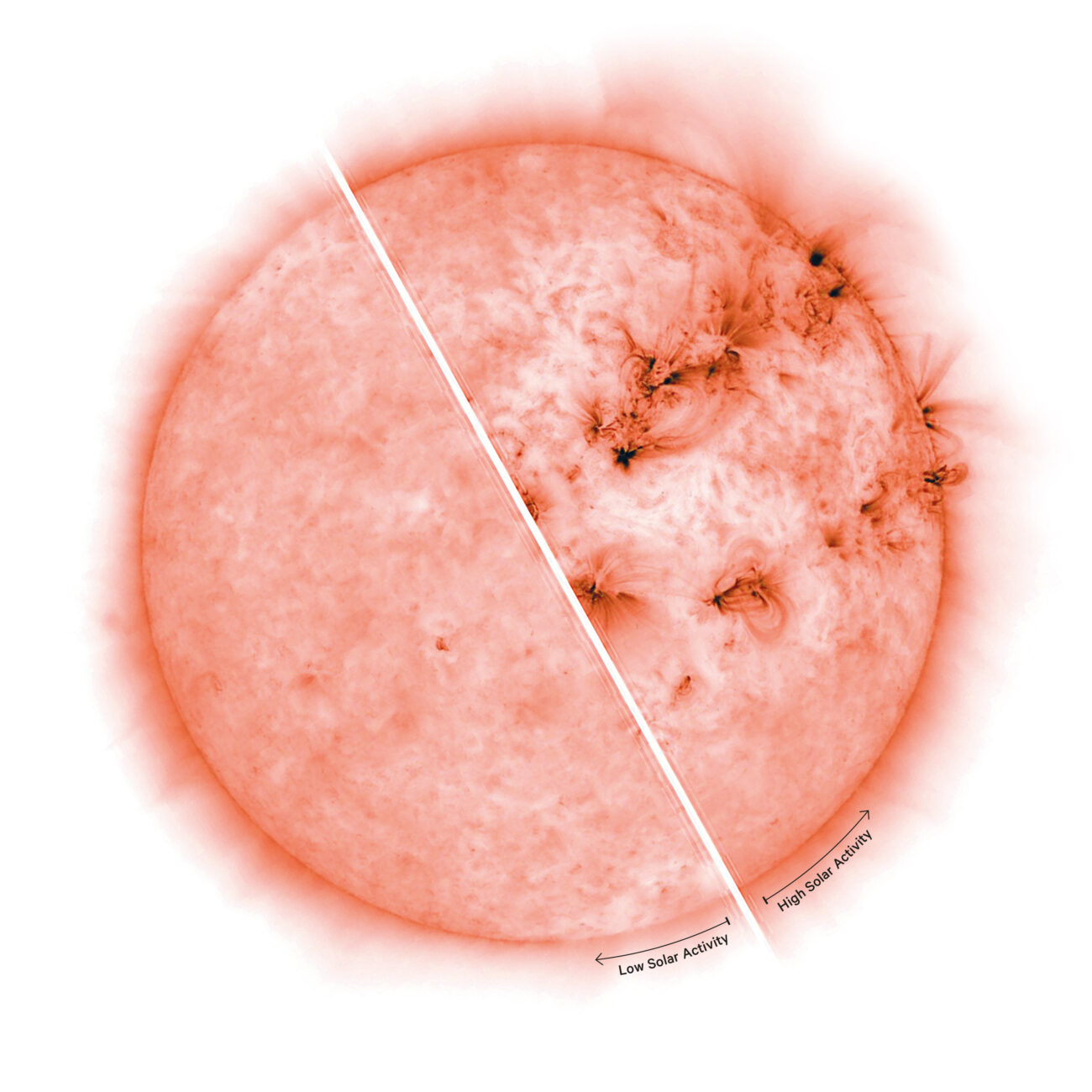
Something strange is happening inside the Sun. In the last 40 years, the pattern of tiny sound waves produced deep beneath the surface of our star has mysteriously changed, say scientists reporting in the Monthly Notices of the Royal Astronomical Society. This solar activity fluctuates in intensity in reliable 11-year cycles, at times driving solar […]...
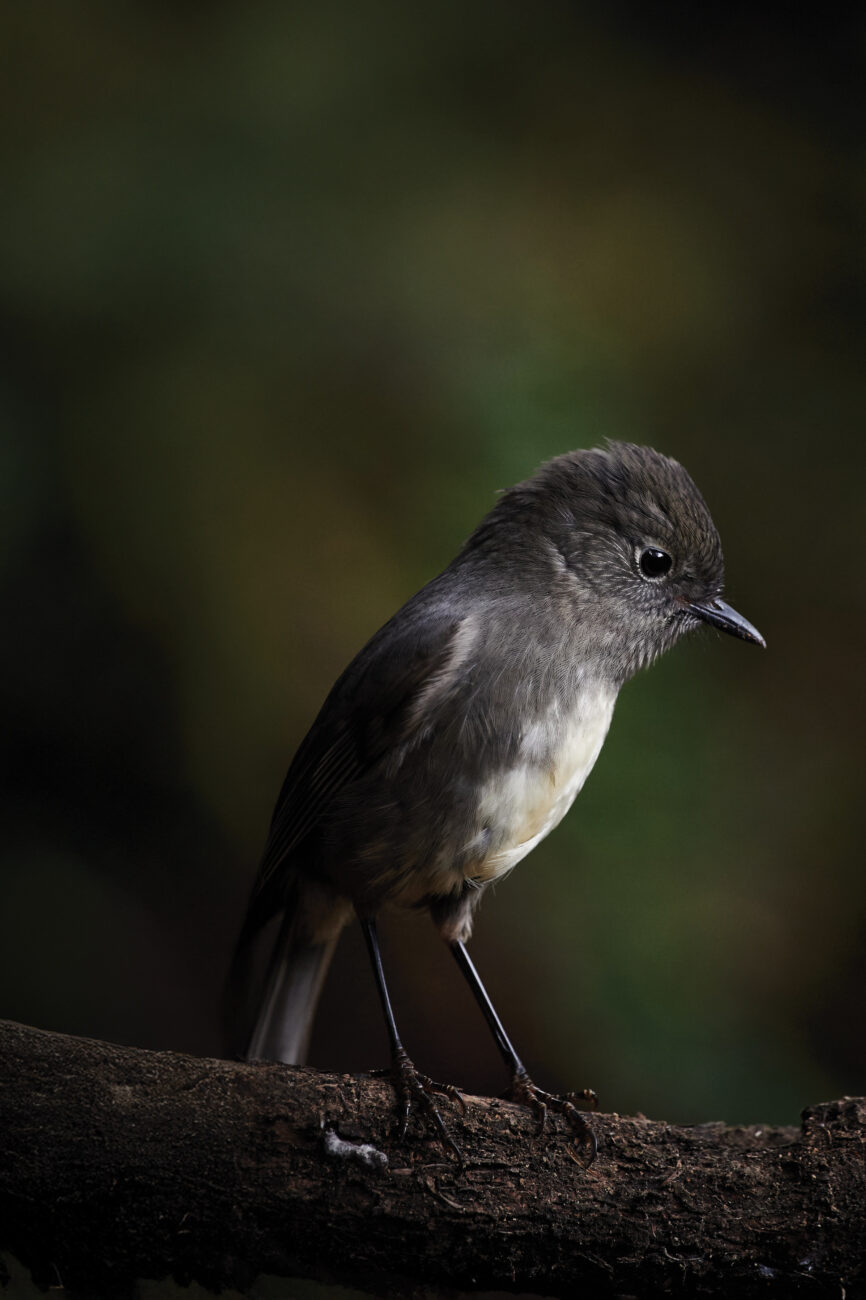
Fifteen years after kakaruwai were brought to Dunedin’s Orokonui Ecosanctuary, a new study shows the tiny robins are doing so well that they have booked up every bit of real estate and are now kicking juveniles into the surrounding bush. Researchers counted at least 23 of the friendly birds living up to 1.5 kilometres outside […]...
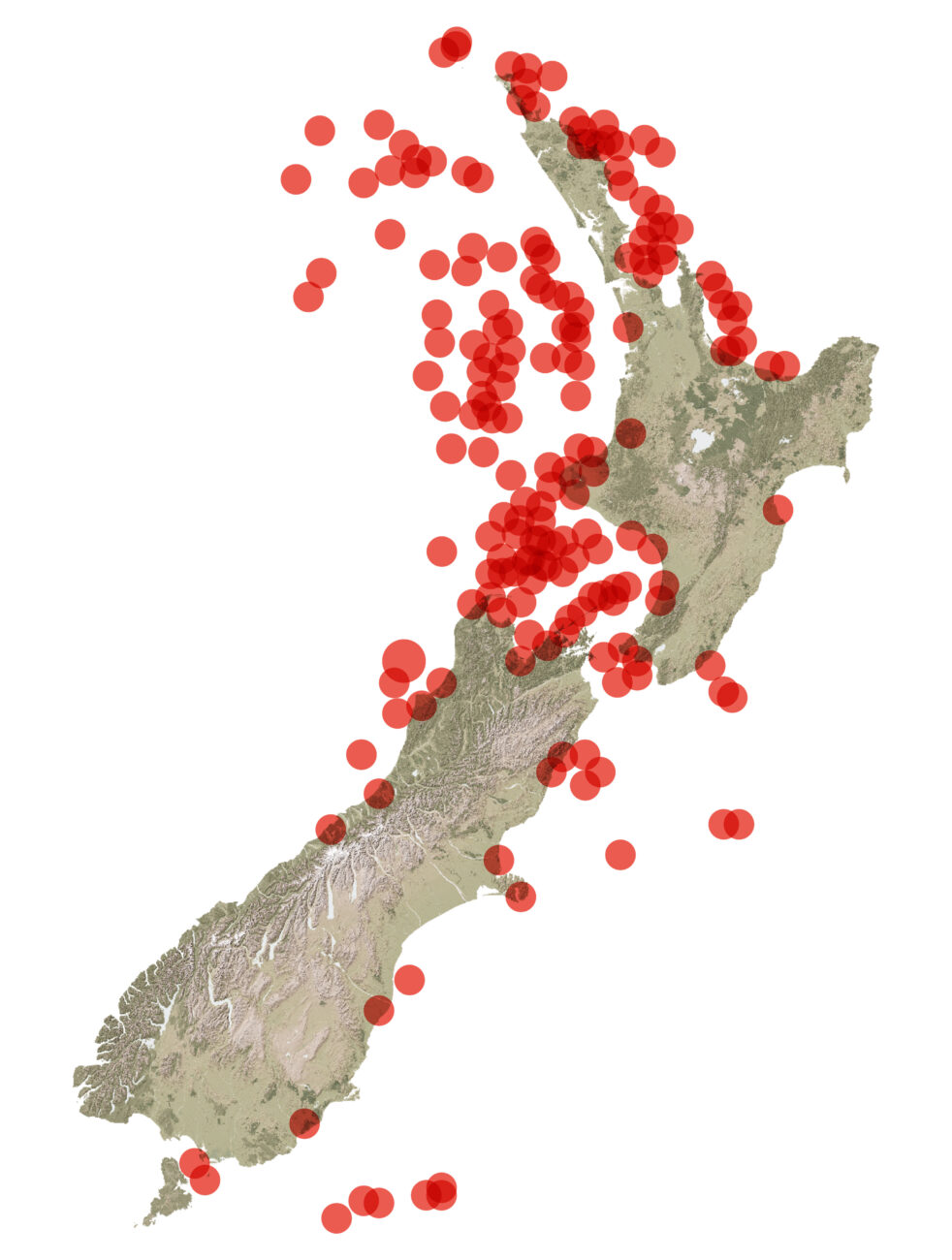
After being hunted to less than three per cent of their original population by commercial whalers, blue whales are once again being spotted around mainland New Zealand. Some 370 sightings have been logged in DOC’s marine mammal database in recent decades. Most of those are incidental sightings from tourism and commercial fishing boats, seismic survey […]...
Butterflies and moths are active in the middle of the day, and mostly through spring and summer. So that’s when Chrissie Ward, 77, goes for her transect walks. Once a week, right through every warm season since the spring of 2009, she has walked the same 4.5 kilometres around the outskirts of Nelson, following and […]...
For decades, young women of New Zealand marked their late teens with ceremonies that looked a lot like weddings....
OE McLeod with RM Briggs, CE Conway and O Ishizuka Geoscience Society of New Zealand, $75...
Mark Adams and Sarah Farrar, Massey University Press, $80...
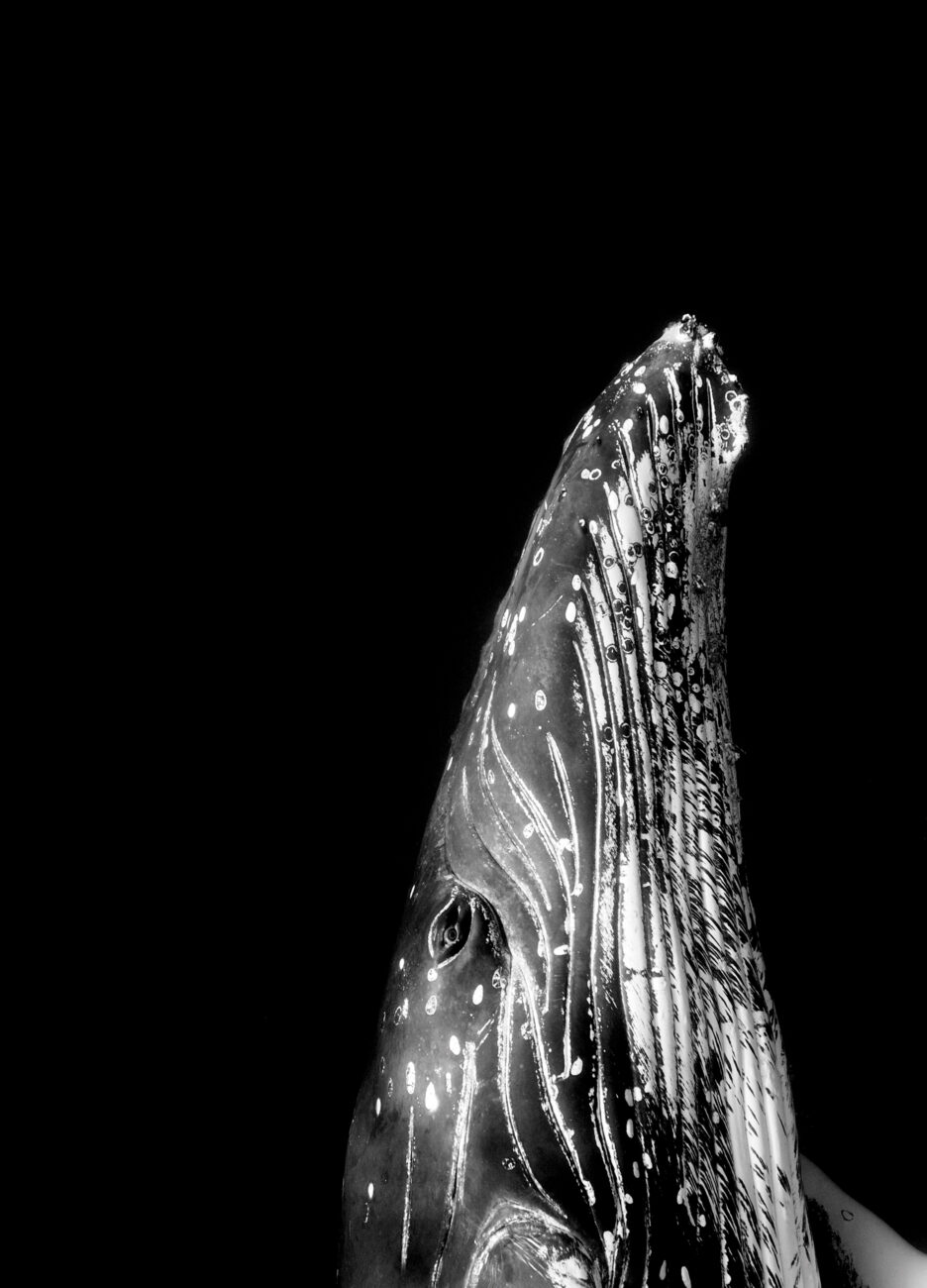
Whales sing more when there’s oodles of food around, researchers have discovered. A team based at the Monterey Bay Aquarium Research Institute analysed whalesong picked up on hydrophones in the nutrient-rich seas off California. The first tapes were from 2015, when a marine heatwave was decimating the food web. That year, humpback whales sang on […]...
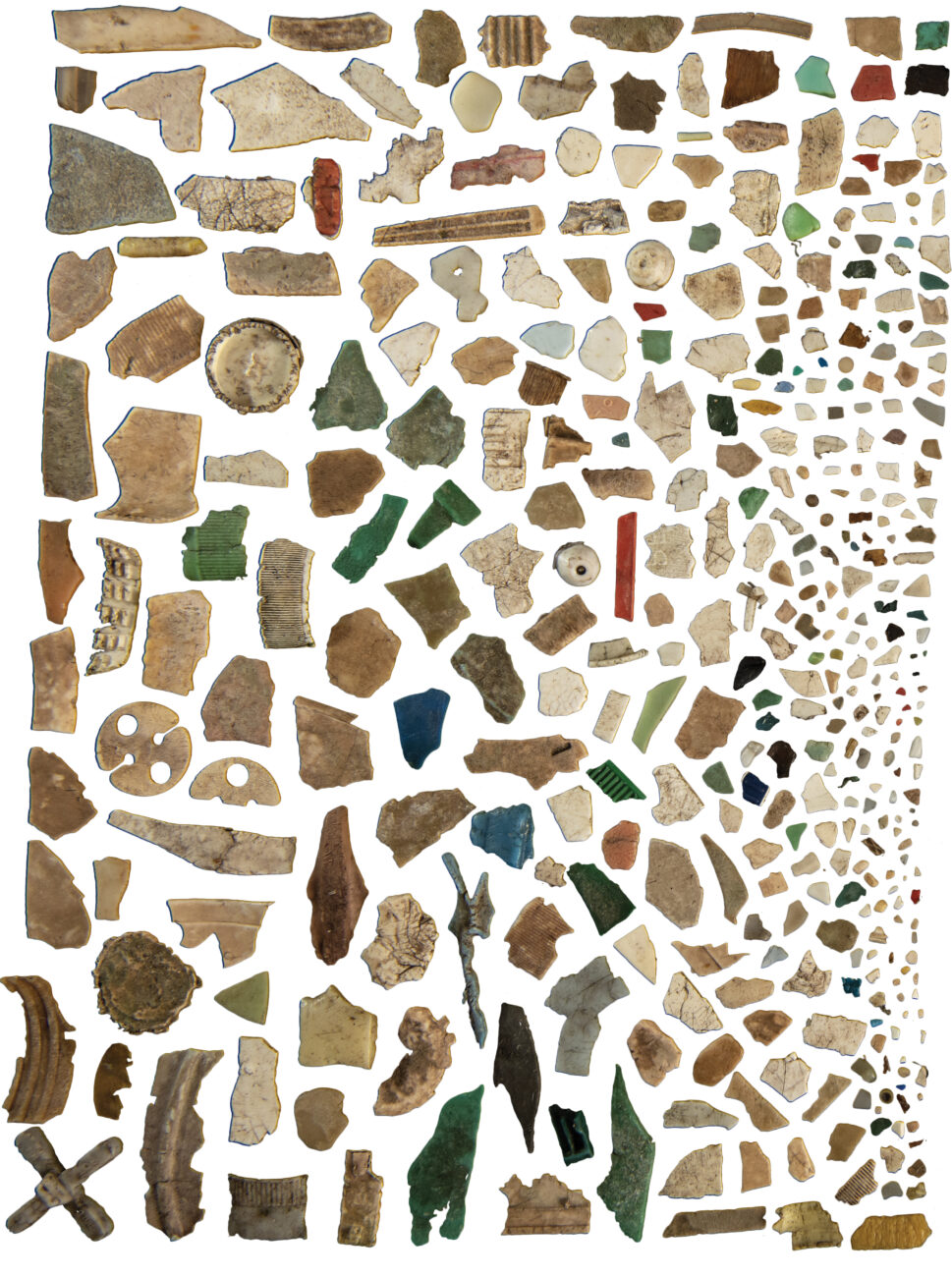
The sable shearwaters of Lord Howe Island, between Australia and New Zealand in the Tasman Sea, are among the most plastic-contaminated seabirds in the world. Unsuspecting parents feed their chicks indigestible bits of plastic, mistaken for squid or fish. “It’s upsetting to see just how much plastic they’ve got, just as they’re starting life,” says Alix […]...
Ten years ago, 22 pīwauwau, or rock wrens, went missing following a 1080 operation in the Southern Alps. For conservationists, it was a worry. The poison was certainly controlling rats and stoats, which had been preying on the pint-sized birds—but were the wrens taking the bait, too? In the summer of 2019, in Kahurangi National […]...
Remember the sky on New Year’s Day of 2020? Across the South Island the air was thick and hazy, the sky an eerie yellow. Satellite images showed a brown cloud of smoke from massive Australian bushfires stretching all the way across the Tasman. When it reached the North Island, clouds over Auckland turned an apocalyptic […]...
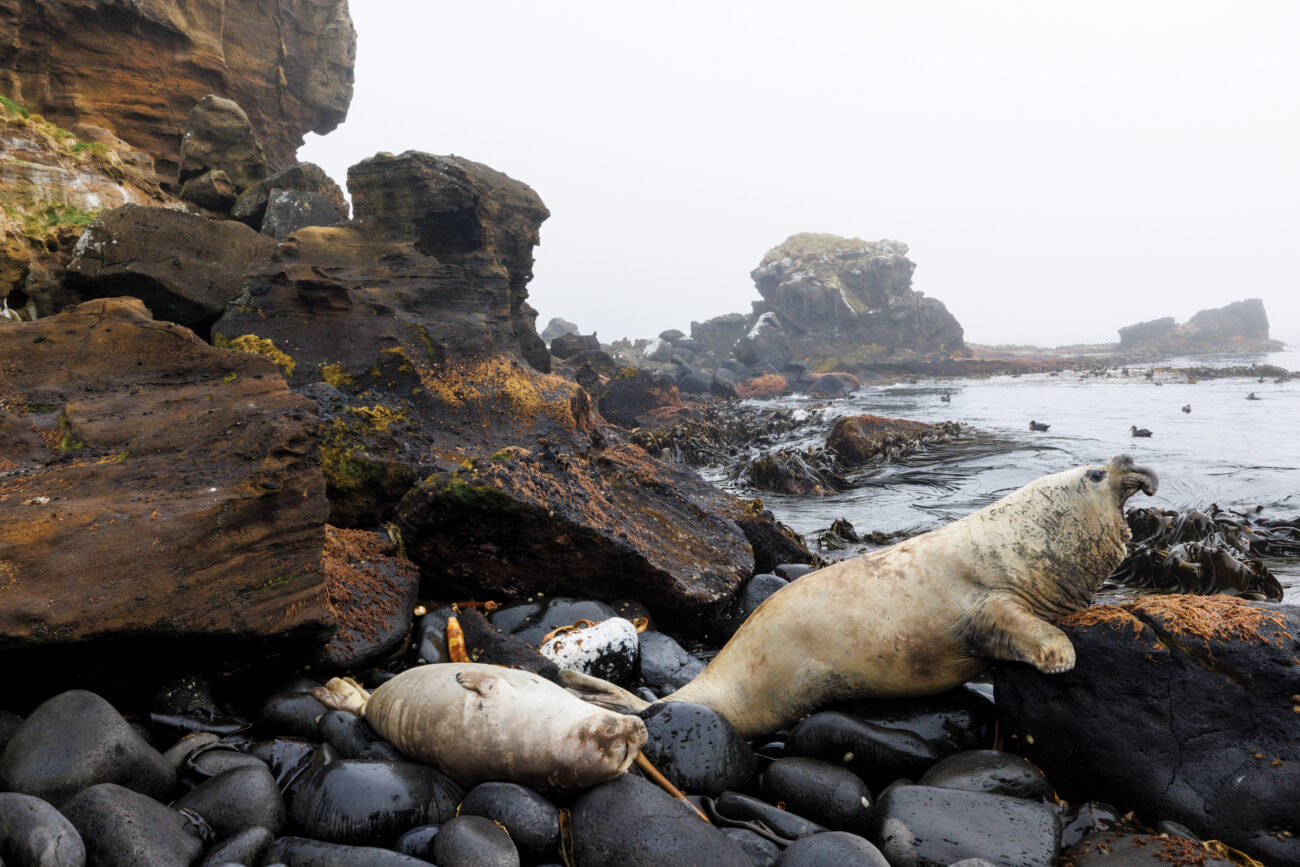
These days, it’s rare to spot a southern elephant seal in New Zealand. These hefty mammals—the males can reach five metres and 3.7 tonnes—are now resident only on remote subantarctic islands. But 800 years ago, these giants called Aotearoa home. Arriving on New Zealand shores, Polynesian voyagers would have encountered coastlines crowded with fur seals, sea […]...